Categories
Food Healthy life style mental health Recommendation

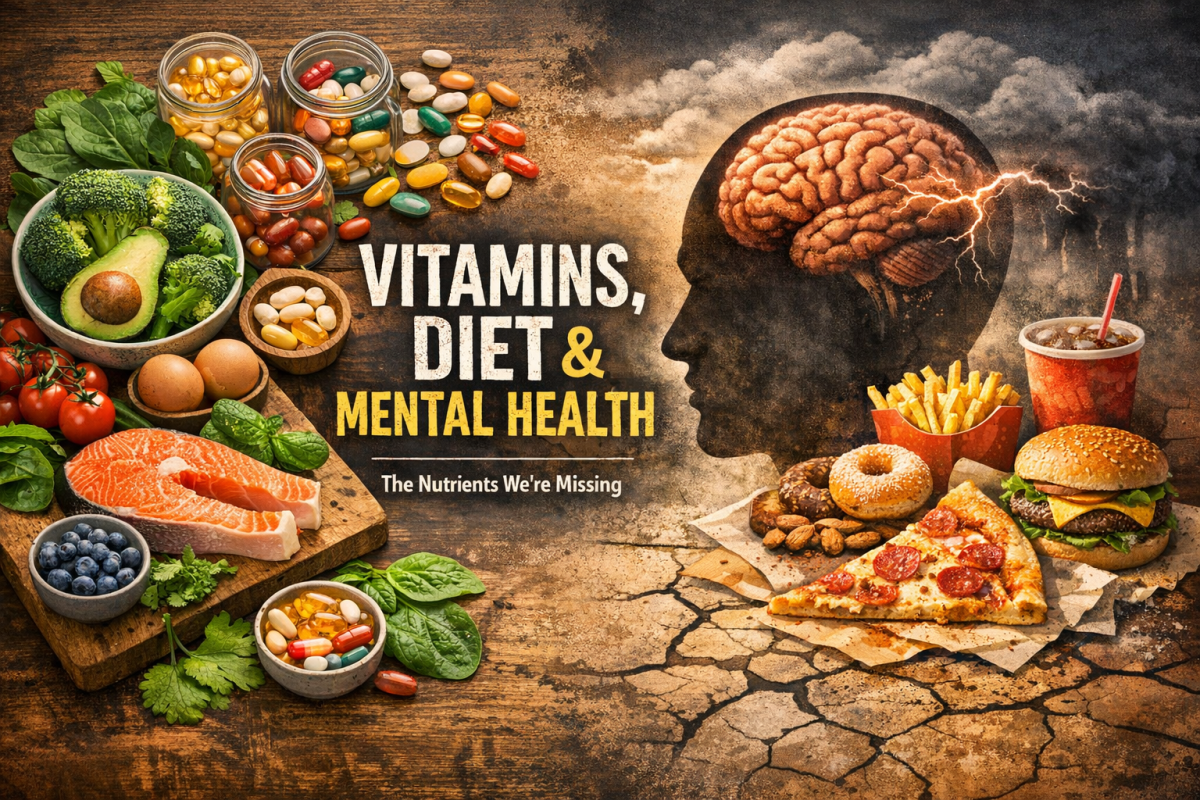
When Vitamins Become a Lifeline: What the American Diet Isn’t Giving Us (And What That Means for Mental Health)

Walk into any grocery store in America and you’ll see the same paradox: aisles overflowing with food, yet a population quietly starving for nutrients that actually support the brain, mood, and long‑term health. It’s one of the great contradictions of the modern American diet — abundance without nourishment.

We talk a lot about calories. We talk a lot about protein. But we rarely talk about the vitamins that keep our minds stable, our energy consistent, and our emotional resilience intact. And in a country where convenience foods dominate and stress levels are sky‑high, that gap is starting to show.

The Vitamin Deficit Hidden in Plain Sight

Despite living in one of the wealthiest food environments in the world, Americans are chronically low in several key vitamins tied directly to mental health:

  • Vitamin D — essential for mood regulation
  • B vitamins — crucial for energy, focus, and nervous system stability
  • Omega‑3s — foundational for brain health and emotional balance
  • Magnesium — supports sleep, stress response, and muscle relaxation

These aren’t fringe nutrients. They’re the biochemical backbone of feeling human.

Yet the Standard American Diet (SAD) — heavy on processed grains, added sugars, and industrial oils — leaves millions undernourished in ways that don’t show up until the symptoms do: irritability, fatigue, brain fog, anxiety spikes, and emotional volatility.

If you want a deeper dive into how food culture shapes our emotional lives, you might enjoy our earlier piece on how the American Dream slipped off the dinner table .

The Food–Mood Connection Isn’t Woo — It’s Biochemistry

Mental health isn’t just psychological. It’s nutritional.

Your brain is a nutrient‑hungry organ, and when it doesn’t get what it needs, it sends signals — sometimes subtle, sometimes loud.

  • Low B12 can mimic depression.
  • Low magnesium can heighten anxiety.
  • Low vitamin D can flatten mood and motivation.
  • Low omega‑3s can impair emotional regulation.

This is why so many clinicians now consider nutritional status a foundational part of mental health care. It’s not a replacement for therapy or medication — it’s the soil those interventions grow in.

If you want to explore how vitamins fit into a holistic care model, HIAAH has a helpful overview of their approach here: Vitamin Services at HIAAH .

Why the American Diet Makes This Harder Than It Should Be

The modern food system is optimized for:

  • Shelf life
  • Speed
  • Cost
  • Convenience

It is not optimized for micronutrient density.

Fresh produce is expensive. Cooking takes time. Ultra‑processed foods are engineered to be irresistible. And the result is a population that is technically fed but nutritionally fragile.

This fragility shows up in our mental health statistics long before it shows up in our lab work.

Reclaiming Nutritional Sanity, One Habit at a Time

You don’t need a perfect diet to support your mental health — you just need a more intentional one.

A few high‑impact shifts:

  • Add one leafy green to your daily routine.
  • Swap one processed snack for a whole‑food option.
  • Prioritize foods rich in omega‑3s (salmon, walnuts, flax).
  • Consider a vitamin D supplement if you live in a low‑sun region.
  • Build meals around color, not convenience.

For more on building intentional food rituals, check out our guide to creating a kitchen routine that actually supports your life .

Small changes compound. And when the goal is mental clarity, emotional steadiness, and long‑term resilience, those changes matter more than we’ve been taught to believe.
Categories
Food Healthy life style

Top Healthy Foods!

Your body is a temple.

You are what you eat!

— General Belief

In today’s food post I will be writing about some of the healthiest foods. For this list we picked the essential super foods that have shown to significantly improve people’s health and well-being. While there are many things that can be incorporated into a healthy diet, this list focuses on things that can be eaten and are readily accessible to most people.

Avocados

Healthier avocado is rich in oleic acid, which lowers the risk of heart and inflammatory diseases. It also enhances the body’s absorption of carotenoids, essential nutrients, found in leafy greens and red or yellow vegetables, add avocado to a salad, and you actually amplify the nutritional value of virtually everything else in the bowl and don’t be afraid of the avocados high fat content.

It’s what makes it creamy delicious and incredibly nutritious, plus it’s good fat number nine kale, while all leafy greens should be part of a healthy diet, including spinach. It’s kale that packs the greatest punch rich in various essential vitamins, a cup of kale actually matches and sometimes surpasses a cup of milk in terms of calcium content. It’s complex chemical composition can help to fight cancer and can actually repair DNA in damaged cells, sauteed or steamed pureed, or boiled this hearty veg its nutritional content, regardless of preparation.

Spunks is a Healthy Snack!

Check out this great healthy pumpkin seed snack! Order them up on amazon today!

Sweet Potatos

So if you think you don’t like kale, just try preparing it another way: Sweet, potatoes, trumping, even the carrot as a primary source of beta-carotene, the orange fleshed sweet potato, provides a variety of health benefits in one simple to cook easy to eat package. The popular root vegetable helps to balance blood glucose levels, while also raising blood levels of vitamin A essential for maintaining a healthy immune system and eyesight best serve steamed or boiled.

Blue Berries

You can optimize its nutritional benefits by drizzling on a small amount of a healthy fat like olive oil, to enhance your body’s nutrient absorption. Blueberries jam-packed with antioxidants, vitamin C and fiber. This we bury might actually improve memory and slow down or postpone certain cognitive disorders related to aging as fruits go. The blueberry is relatively low in sugar and can help maintain a healthy glycemic level when eaten on a regular basis cheaper and more readily available than the recently lauded goji berry.

The blueberry also maintains its nutritional value when frozen, which means you can reap benefits of this sweet and tangy fruit. All year round number six almonds delicious and versatile. This much-loved nut is actually a seed whose high fat content can satiate a craving while simultaneously improving your overall health almonds are rich in monounsaturated fat, which reduces unhealthy cholesterol levels and lowers the risk of heart disease.

The Almond

A great source of vitamin E, the almond, can help improve overall cardiovascular health and is thought to reduce certain signs of aging want to feel good and maybe even look a little better start snacking on some almonds number five apples. Yes, it’s true an apple a day. Will actually keep the doctor away a good source of vitamin C and soluble fiber Apple’s, improved blood, glucose and cholesterol levels, their antioxidant properties promote the production of collagen, which strengthens veins and capillaries and helps to maintain fresh youthful looking skin a versatile fruit that comes in A variety of types, red, green or gold – this popular snack, has some pretty powerful health benefits.

Salmon

Salmon, rich in b12 vitamin D and with one of the highest concentrations of omega-3 fatty acids of any food wild or organically farmed, is really your best bet when it comes to this fish. Recent studies suggest that eating salmon helped improve cardiovascular functions and might even help to reduce depression and boost learning capabilities, the ultimate brain food when it comes to a healthy diet.

This oily fish is really a no-brainer number three oats. Whole grain. Oats are a great source of soluble fiber and can significantly lower cholesterol, while also preventing heart disease. Some types of breast cancer and colon cancer and sure we know these whole grains might be a little bit boring, but they’re cheap, easy to cook and really really good. For you boost flavor, with a few berries, throw in some almonds and enjoy your body will.

Garlic

Thanks to garlic, a staple ingredient in virtually every type of cooking, an ancient remedy whose medicinal properties stand the test of time. Garlic can improve a meal just as easily as it improves your health, with a variety of antibiotic and anti-inflammatory properties. Garlic boosts your immune system, helps with metabolic functions and has been shown to have certain cancer preventative properties.

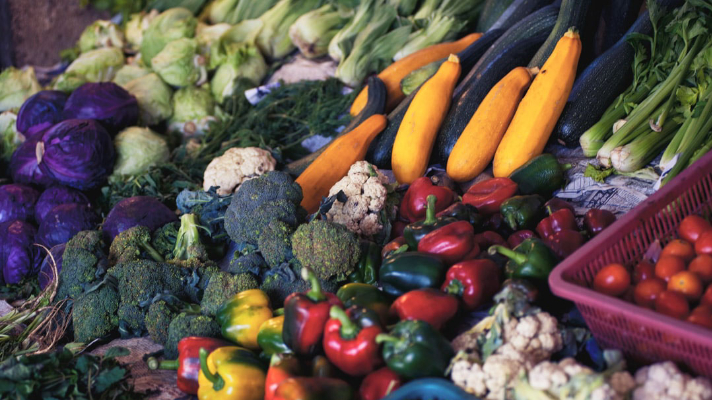
The key to keeping its health benefits. Let’s sit after chopping or crushing and never overcook the key to enjoying garlic with friends breath mints before we dig into our number-one healthiest food here are a few honorable mentions number one broccoli eat your greens. Broccoli helps to detoxify the body systems, reduces inflammation and is rich with antioxidants, making it one of the best things you can eat to maintain health and possibly prevent certain types of cancer.

The key to healthy broccoli is preparation. Overcooking not only makes the veg soggy and well gross. It also destroys all nutrient value lightly steaming. It will maintain its texture, flavor and it’s incredibly powerful health benefits. You’ll just have to deal with the taste.

Design a site like this with WordPress.com
Get started