Categories
Food fun stuff Uncategorized

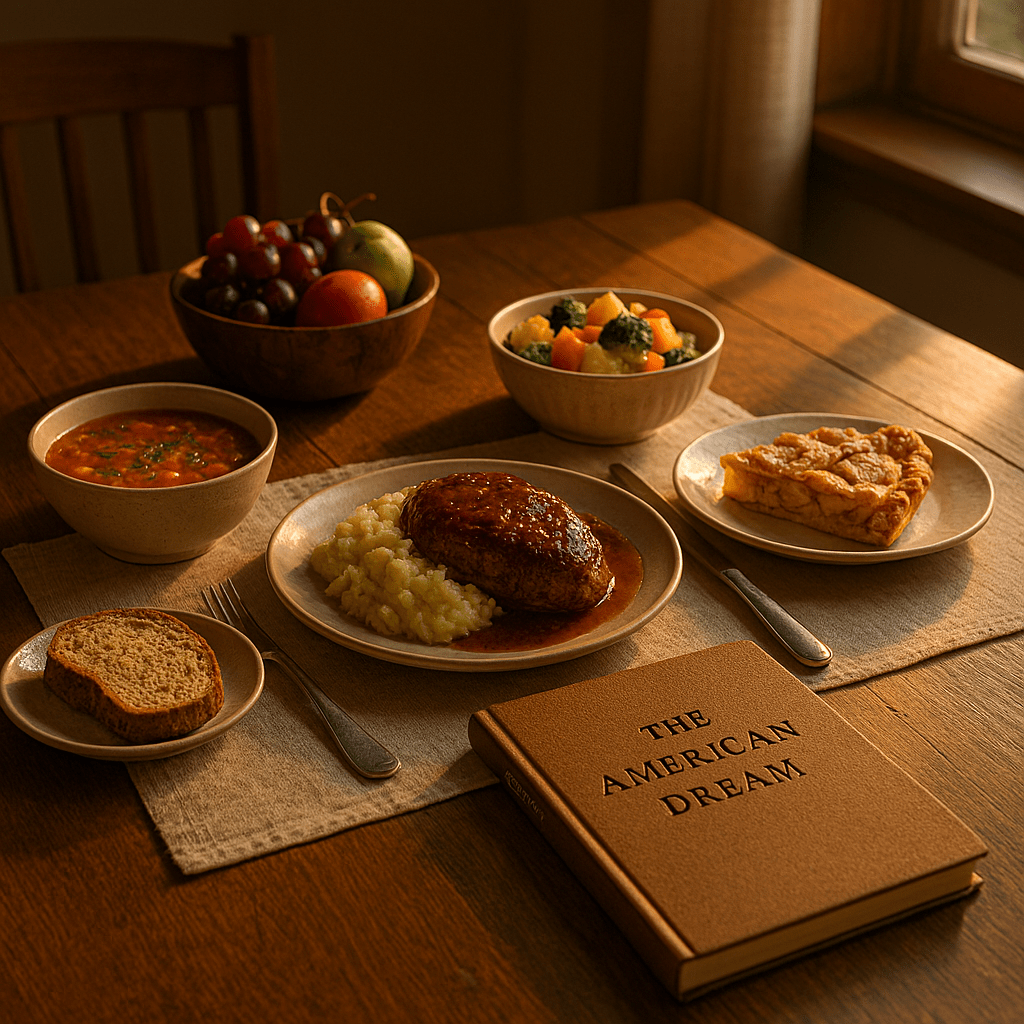
🍽️ THE FOUR‑COURSE AMERICAN DREAM

How Culture, Economics, History, and the Dinner Table Could Save the Future

🥗 COURSE ONE: THE APPETIZER — The American Dream You Could Taste

If you want to know how a nation is doing, don’t look at the stock market.
Look at the dinner table.

Food is the first place where economic pressure shows up.
It’s the first place where culture evolves.
It’s the first place where families feel the squeeze — or the relief.

And right now, the American table is telling a story we can’t afford to ignore.

There was a time — not that long ago — when the American Dream wasn’t a mansion or a yacht.
It was a kitchen.

A small home.
A family table.
A pot of something simmering.
A sense of stability you could feel in the air.

Food was the heartbeat of the Dream:

  • Sunday dinners
  • Holiday spreads
  • Neighborhood cookouts
  • Recipes passed down like treasure

And here’s the part that matters:
In 1970, the average American could realistically secure the seven pillars of the American Dream — a home, a family, education, healthcare, transportation, retirement security, and upward mobility — in about 30,000 hours of work.

That’s roughly 15 years of full‑time effort.

Fifteen years to build a life.
Fifteen years to create a home where food wasn’t a luxury — it was a ritual.

Today, that Dream costs 103,800 hours — nearly 52 years.

The Dream didn’t disappear.
It just drifted off the table.


🍲 COURSE TWO: THE MAIN DISH — The Cost of Living and the National Debt

Here’s the part most people don’t connect:
The national debt isn’t an abstract number.
It’s a kitchen‑table issue.

When the debt grows faster than the economy, the cost of living rises in ways families feel immediately — especially in food.

How debt hits the dinner table:

  • Higher interest rates → higher costs for farmers, producers, and transport
  • Inflation → groceries become unpredictable
  • Crowded‑out public investment → weaker infrastructure and higher long‑term costs
  • Wage stagnation → every dollar buys less

This is how we went from 30,000 hours to 103,800 hours in two generations.

And yet, there’s a path back.

Not through austerity.
Not through fantasy.
But through something America has done before:
a windfall.

A windfall can be:

  • A technological boom
  • A resource boom
  • A productivity boom
  • A cultural boom

But the most powerful windfall isn’t financial.
It’s cultural.


🍛 COURSE THREE: THE SIDE DISH — The Cultural Windfall

Every society reaches a moment when greed stops being cool.

The Gilded Age had its moment.
The Roaring Twenties had theirs.
The 1980s excess eventually gave way to minimalism and sustainability.

America is approaching another one of those moments.

People are tired of spectacle.
Tired of noise.
Tired of the feeling that the Dream is slipping away no matter how hard they work.

A cultural windfall happens when society collectively decides to value:

  • Stability over status
  • Community over consumption
  • Legacy over luxury
  • Stewardship over spectacle

And here’s the twist:
When culture shifts, the wealthy shift with it.

Not because they’re forced to.
But because stewardship becomes the new status symbol.

Why the wealthy would choose to give back:

  • Stability is good for markets
  • A strong middle class is good for business
  • Legacy matters
  • Voluntary contribution beats unpredictable policy
  • Responsibility becomes prestigious

It’s the difference between showing off a $500 steak and showing off a community kitchen you funded.

One is indulgence.
The other is legacy.

A cultural windfall doesn’t just change attitudes.
It changes behavior.
And behavior changes economies.


🍰 COURSE FOUR: DESSERT — History’s Proof That Culture Can Save Economies

This isn’t wishful thinking.
History is full of moments where cultural shifts reshaped economies.

Athens

Wealthy citizens funded ships, festivals, and infrastructure because generosity was admired and greed was mocked.

Rome (Republic era)

Elites built roads, aqueducts, and public works because civic virtue was the currency of status.

The Islamic Golden Age

Charitable endowments built hospitals, universities, and social systems — not through taxation, but cultural expectation.

Medieval Europe

Merchant families funded cathedrals, bridges, and schools because public giving earned honor.

The Progressive Era

A backlash against Gilded Age excess led to philanthropy booms, public health reforms, and worker protections.

Post‑WWII Reconstruction

Shared sacrifice and cultural unity rebuilt entire nations.

Modern ESG movements

Companies now compete to appear responsible — not just profitable.

History is clear:
When culture shifts, economies follow.


THE FINAL SIP — Bringing the Dream Back Under 15,000 Hours

A cultural windfall — paired with smart economic choices — could:

  • Lower inflation
  • Stabilize interest rates
  • Strengthen wages
  • Reduce long‑term debt pressure
  • Make essentials affordable again
  • Bring the American Dream back into reach

Not in 52 years.
Not in 30 years.
But potentially back toward 15,000–30,000 hours — a human‑sized goal.

And food becomes the symbol of the turnaround:

When the economy stabilizes, the table stabilizes.
When the table stabilizes, the Dream stabilizes.
When the Dream stabilizes, America stabilizes.

The American Dream used to be something you could taste.
It can be again.
Categories
Art fun stuff Recommendation seattle

Seattle Art Walks: A Guide to the Best Art Walks in the City

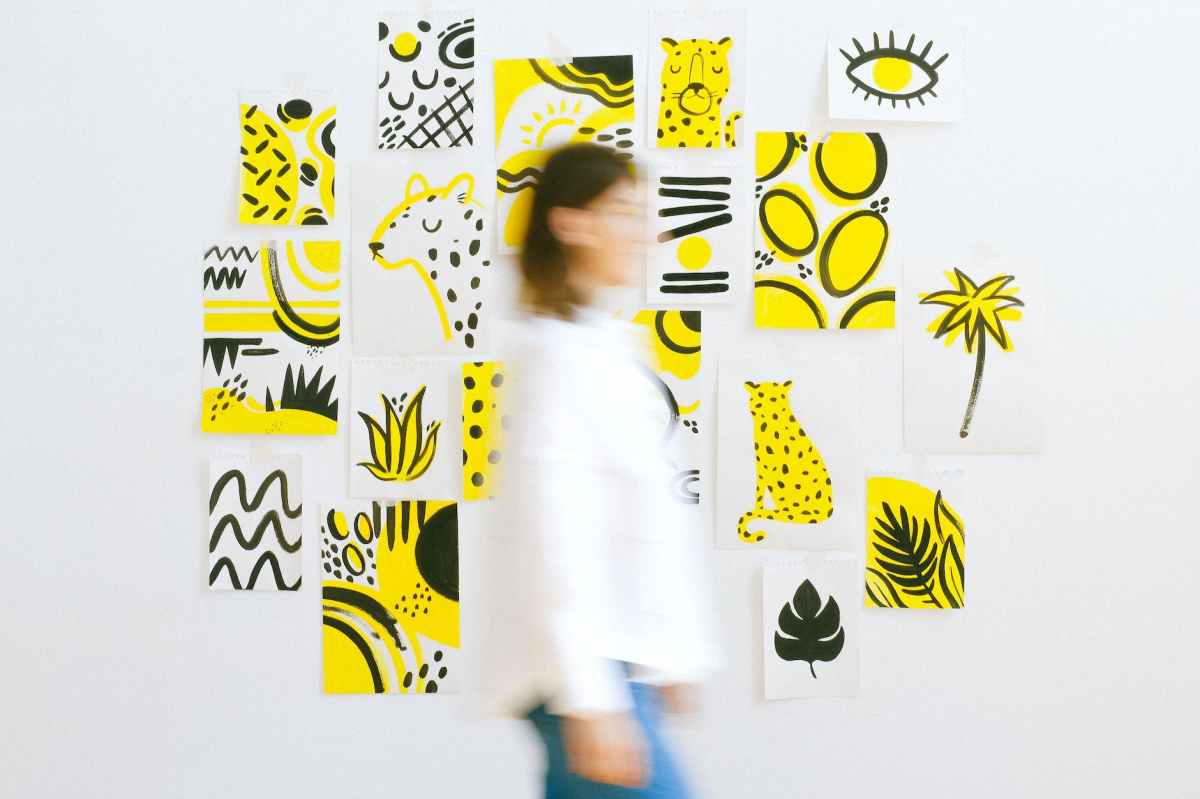
Seattle is unique, filled with creative people, quirky neighborhoods, and exciting events. If you’re looking for something new to do in the Pacific Northwest, you may be interested in an art walk. This guide will help you navigate the city’s art scenes, from Capitol Hill to the Fremont neighborhood. You’ll learn about the best art walks in Seattle, from the Seattle Art Walk to the First Thursday Art Walk.

The Seattle Art Walk is one of Seattle’s most famous art walks. It takes place every month on the first Saturday of the month. The art walk has been going on since 2000 and continues to grow. It occurs in the Capitol Hill neighborhood, where many artists live and work. More than 30 galleries and studios participate in this art walk. If you want to visit a great gallery during this event, please ensure you arrive early and plan to stay late.

The History of Art Walks in Seattle

Seattle has a rich history of supporting the arts, with art walks integral to the city’s cultural scene. The first art walk in Seattle was held in 1981 in Pioneer Square and was an immediate success. The event was organized by local artists who wanted to showcase their work and bring attention to the neighborhood’s burgeoning arts community. Since then, art walks have become a staple of Seattle’s art scene, with several areas hosting their events yearly.

Overall, art walks have played a significant role in shaping Seattle’s cultural landscape, providing a platform for artists to showcase their work and for the public to engage with art in a more accessible way. They have also helped to foster a sense of community among Seattle’s artists and art lovers and have contributed to the city’s reputation as a hub for creativity and innovation.

The Most Popular Art Walks

  • First Thursday Art Walk in Pioneer Square is one of the most famous art walks. It takes place on the first Thursday of every month and features over 30 galleries and museums. Visitors can enjoy a wide range of art, from contemporary to traditional, and there are often live music and food trucks to add to the festive atmosphere.
  • The Capitol Hill Art Walk is another popular art walk on the second Thursday of every month. This walk features many venues, including galleries, cafes, and shops. Visitors can enjoy diverse art, from painting and photography to sculpture and performance art. The Capitol Hill Art Walk is a great way to explore one of Seattle’s most vibrant neighborhoods.
  • The Ballard Art Walk takes place on the second Saturday of every month and features over a dozen galleries and venues. This walk showcases local artists and often includes interactive exhibits and live performances. Visitors can also enjoy the unique shops and restaurants in the Ballard neighborhood.
  • The West Seattle Art Walk is held on the second Thursday of every month and features over 40 venues. This walk is known for its community spirit and showcases the work of local artists. Visitors can enjoy a variety of art, including painting, sculpture, and mixed media while exploring the charming West Seattle neighborhood.
  • The Georgetown Art Attack takes place on the second Saturday of every month and features over 40 galleries, studios, and other venues. This walk is known for its edgy and experimental art, as well as its lively atmosphere. Visitors can enjoy food trucks, live music, and other entertainment while exploring this unique neighborhood.

Families: Kid-Friendly Events

Families are welcome to art walks in Seattle! Many of the art walks are designed to be family-friendly, with activities and exhibits that are suitable for all ages. However, it’s important to note that some art walks may have inappropriate shows or events for children. It’s always wonderful to check the event schedule beforehand and plan accordingly. Additionally, some art walks may have crowded streets or venues that need more stroller-friendly. It’s a good idea to consider the logistics of attending an art walk with young children and plan accordingly. Art walks are a great way for families to explore the city’s vibrant arts scene and discover new artists and exhibits together!

Date Night: Romantic Spots

Art walks can be an excellent option for a unique and creative date night experience. You and your date can explore the city’s vibrant art scene while enjoying each other’s company. Many art walks take place in neighborhoods with various restaurants, bars, and cafes, making grabbing food or a drink before or after your art walk easy. This can add to the overall experience and make for a complete date night. While art walks may only be for some, they can be a fun and engaging option for a date night in Seattle. Please check the public schedule accordingly to maximize your experience.

Exploring The City’s Art Scene: A Brief Overview

The Emerald City’s vibrant and diverse art scene attracts artists and enthusiasts worldwide. The city is home to world-renowned institutions such as the Seattle Art Museum, the Frye Art Museum, and the Henry Art Gallery, which showcase a wide range of art from contemporary to ancient. Seattle’s art community is known for its inclusivity and support of emerging artists, making it an excellent place to grow and showcase its work. Seattle also hosts several art festivals and events, such as the Seattle Art Fair and the Capitol Hill Art Walk. These provide opportunities for artists to connect with the community and for visitors to experience the city’s vibrant art scene. 

Seattle’s art community is known for showcasing a diverse range of artists and their works. With each event, attendees can expect to see a mix of established and emerging artists, both local and international. So, it is exciting to see which new artists will appear at the art walks. However, it’s worth checking out some smaller, more intimate art events if you’re interested in discovering new talent. Lastly, please feel free to talk with the artists themselves. Many artists attend art walks to showcase their work and connect with potential buyers and fans. You may discover a new talent you have yet to learn about by talking to the artists.

I Met a Seattle Artist, Online, That Is

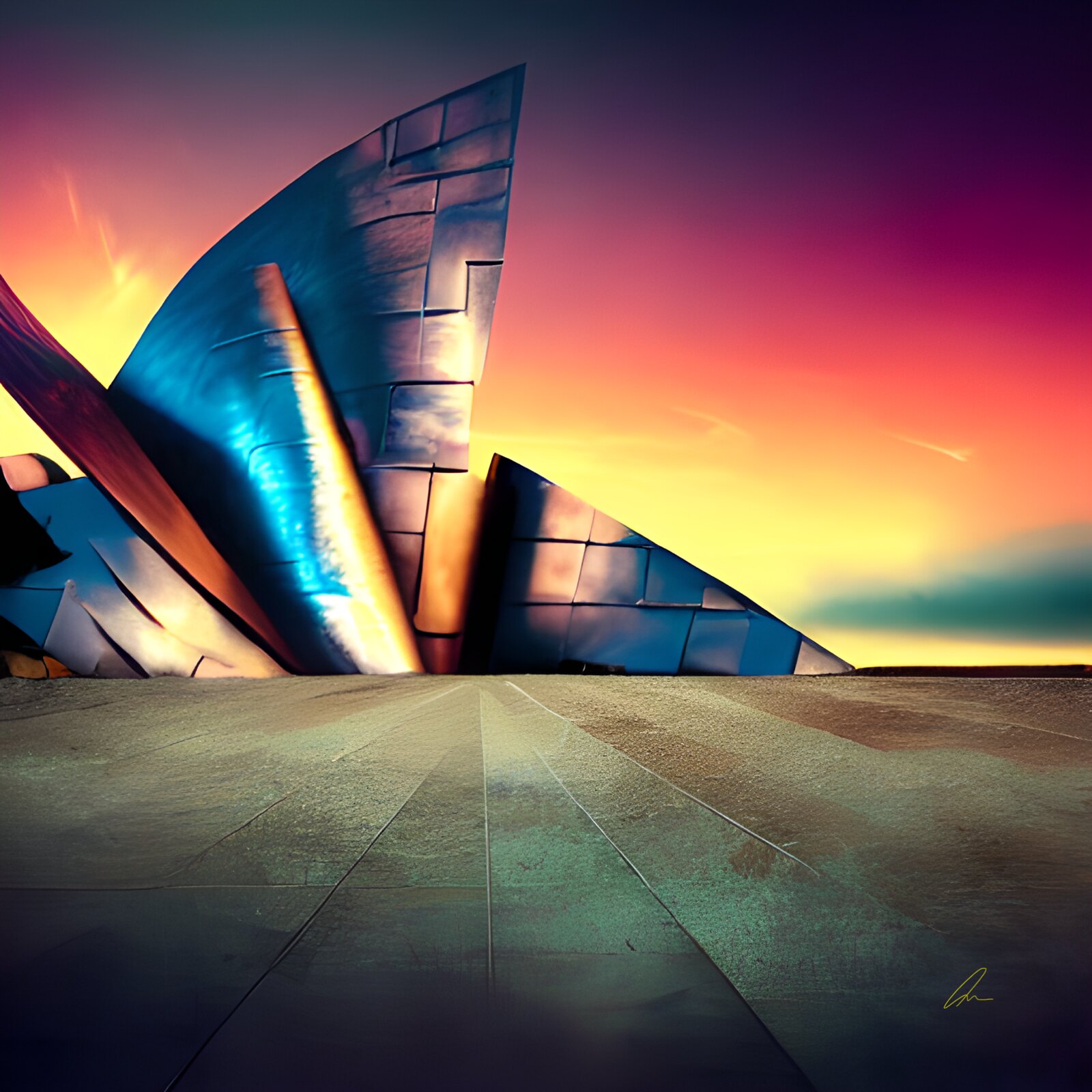
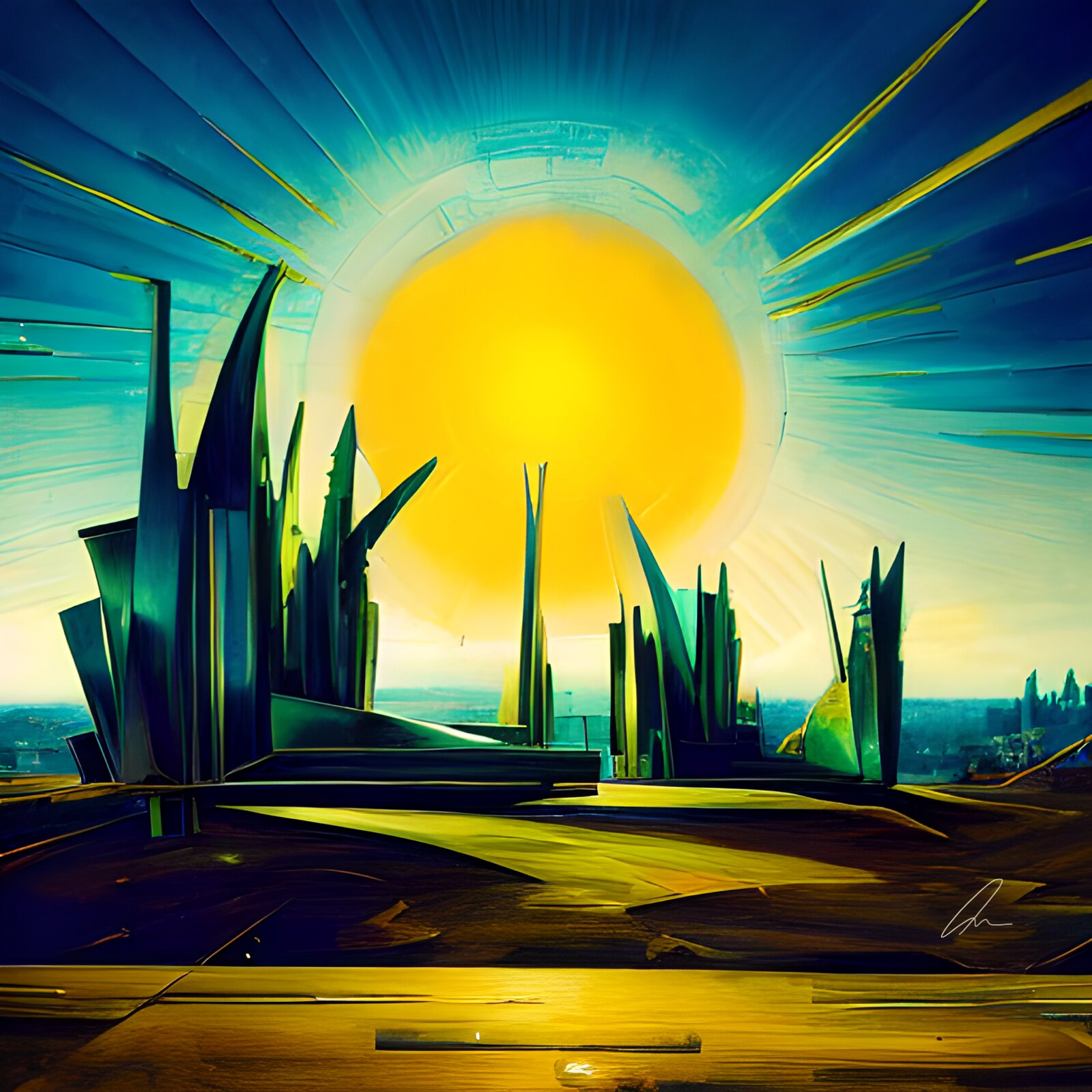
A few of you may know that I am not from Seattle, but I found an incredible artist named Alec Allshouse on Tumblr, and he lives near the city, which has inspired me to write this blog post. His work blew me away, and I was brave and reached out to him via his Instagram account, and he responded! With that, he let me post a few of my favs below!

He told me you would be able to buy his art very soon. Get this! He is only selling 15 marked copies of each art piece. If you like his work, visit his Instagram account, direct message him, and ask for a canvas of any of his work posted on his profile.  

What Type Of Food is At the Art Walk?

Seattle’s art walks typically feature a variety of food options, ranging from food trucks to local restaurants and cafes. Visitors expect diverse cuisines, including traditional American fare, international cuisine, and fusion dishes. Many food vendors at Seattle’s art walks prioritize using local and organic ingredients, so visitors can feel good about supporting sustainable and environmentally-friendly practices. In addition to food, many art walks also offer craft beer and wine tastings, allowing visitors to sample some of the best local beverages while enjoying the art and culture of Seattle. Overall, Seattle’s art walks provide an excellent opportunity to experience the city’s vibrant art scene and indulge in delicious food and drink options.

In conclusion

If you’re looking for a beautiful way to spend your weekend in Seattle, check out the top art walks in the city. The walks I mentioned in this blog post may have changed their dates or turned into a different type of event. So check local schedules before you venture into the city because they’re a great way to see the city, meet new people, and experience the local culture.

Design a site like this with WordPress.com
Get started