When we talk about “dangerous foods,” most people think about heart disease, diabetes, or weight gain. But there’s a quieter, more alarming threat tied directly to what we eat: cognitive decline and dementia.
Emerging research shows that certain foods may increase your risk of dementia, while others appear to protect your brain over time. If you care about long‑term memory, clarity, and staying sharp as you age, this is a Red Alert worth paying attention to.
Below is a breakdown of what current studies are saying, what foods to avoid, and what to eat instead.
🧠 The Big Picture: Diet and Brain Health
A growing body of research shows that diet plays a major role in cognitive decline. Studies link inflammation, oxidative stress, and poor cardiovascular health to increased dementia risk — and food is a major driver of all three.
One large study published in Neurology found that diets high in ultra‑processed foods were associated with a significantly higher risk of dementia. Meanwhile, Harvard researchers highlight that flavonoid‑rich foods — like berries, apples, tea, and peppers — are associated with a lower risk of dementia over time.
So what exactly should we be avoiding?
🚫 Red Alert Foods: What Increases Dementia Risk
- Ultra‑Processed Foods (UPFs)
These are the biggest offenders.
Examples include:
- Packaged snacks
- Sugary cereals
- Fast food
- Frozen meals
- Sweetened beverages
Studies show a clear correlation between high UPF intake and increased dementia risk. These foods are typically high in sugar, salt, and unhealthy fats — and low in nutrients your brain needs.
- Added Sugars & Refined Carbs
Examples include:
- Pastries
- White bread
- Candy
- Sugary drinks
Excess sugar fuels inflammation and oxidative stress, both of which damage brain cells and impair memory.
- Saturated & Trans Fats
Found in:
- Fried foods
- Margarine
- Fatty red meats
- Processed meats
These fats raise cholesterol and contribute to inflammation — two major risk factors for cognitive decline.
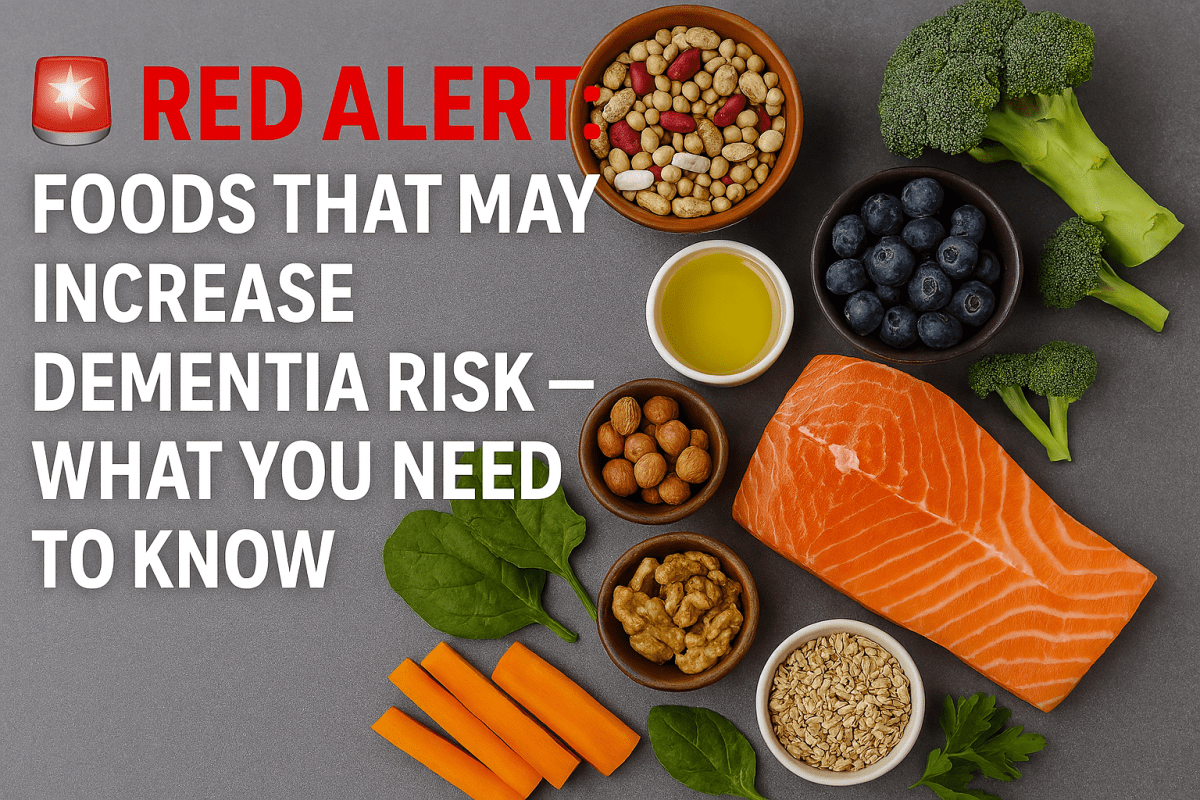
🟢 Brain‑Boosting Foods: What Helps Protect Memory
Research highlights foods that may reduce dementia risk, especially those rich in flavonoids, antioxidants, and healthy fats.
Eat more of:
- Berries (blueberries, strawberries)
- Leafy greens
- Olive oil
- Nuts & seeds
- Whole grains
- Fish (salmon, sardines, mackerel)
- Tea (black or green)
- Colorful vegetables (peppers, onions, carrots)
People who consumed the most flavonoid‑rich foods had a 28% lower risk of developing dementia in a long‑term study of over 121,000 adults.
🥗 Diet Patterns That Support Brain Health
Mediterranean Diet
High in:
- Olive oil
- Fish
- Vegetables
- Legumes
- Nuts
Low in:
- Red meat
- Sweets
DASH Diet
Originally designed for heart health — but great for the brain too.
MIND Diet
A hybrid of Mediterranean + DASH, specifically created to reduce Alzheimer’s risk.
These diets emphasize whole foods, healthy fats, and antioxidants — exactly what the brain thrives on.
⚠️ Why This Matters
Dementia rates are rising globally. While genetics and age play a role, lifestyle choices — especially diet — are powerful levers we can control.
Your brain is your most valuable asset. Protecting it starts with what you put on your plate.
🔥 Final Takeaway
If you want to reduce your risk of dementia:
- Cut back on ultra‑processed foods, added sugars, and unhealthy fats.
- Load up on whole foods, especially berries, vegetables, nuts, and fish.
- Consider adopting a Mediterranean or MIND‑style eating pattern.
Small changes today can protect your memory tomorrow.

 The Red Alert Blog